Menu
BASICS
How Japanese schools work Japanese phrases for school Glossary of school termsWAYS TO LEARN
Free schools Education support centers Online schools Homeschooling in Japan International schools Correspondence high schoolsMORE
Neurodivergent children Where to get help Attendance and costs Learning Place Finder 日本語サイトへHow to Help Your Child Make Friends After Moving Abroad
- Why new friendships take longer than most families expect, and what research on “hours together” suggests
- A rough, month-by-month picture of the first year, so you know what is normal
- How friendship-making differs for 6–8, 9–12 and 13–15 year olds
- Practical steps through the school, clubs, hosting and keeping old friends
- Signs that loneliness is turning into withdrawal or school avoidance
- When to talk to the school counsellor, and what to ask
This article is general information for parents, not medical advice. If your child talks about harming themselves, seems very low for weeks, or you are worried about their safety, contact a doctor or local emergency services straight away rather than waiting for things to settle.
Why friendships take time after a move abroad
Adults often expect children to “just make friends” within a few weeks, because children seem so quick to play together. But playing alongside someone and having a friend you can count on are very different things. Your child may be chatting to classmates by the second week and still feel completely alone.
Research on adults gives a useful sense of scale. A study by Jeffrey Hall at the University of Kansas, published in the Journal of Social and Personal Relationships, looked at 355 adults who had relocated within the previous six months and 112 first-year university students. The university’s summary of the findings reports that it took roughly 40–60 hours together to move from acquaintance to casual friend, 80–100 hours to become a friend, and more than 200 hours to become a good friend. The study also found that how the time was spent mattered: leisure time together and everyday conversation predicted growing closeness.
These figures come from adults, not children, so treat them as a rough guide rather than a rule. The message still applies: friendship is built from many shared hours, and a child who has just arrived hasn’t had those hours yet. Six hours a day in the same classroom doesn’t all count, because much of it is spent working rather than talking.
Moving abroad adds its own layers. A 2022 systematic review of research on “third culture kids” (children who grow up outside their parents’ home country) in Frontiers in Psychology reviewed 14 studies and listed difficulty making new friends among the stressful factors children faced. The same review found that family cohesion was linked to better quality of life and adjustment, and that a longer time at the school was one of the factors associated with better adjustment. In other words, time and a steady home base both help.
A realistic timeline for the first year
There is no official schedule for settling in, and the research we found does not give one for children. The table below is not a research finding. It is a general picture, based on the idea that friendship grows with shared time, to help you decide whether what you are seeing is roughly on track. Every child is different.
| Stage | What is common | What helps most |
|---|---|---|
| First few weeks | Novelty, tiredness, being polite with many children but close to none | Routine, sleep, a calm home, meeting the teacher |
| First term | “Nobody likes me” days; a few names start coming up at dinner | One regular activity; inviting one child over |
| Second term | One or two children your child seeks out; still some lonely breaks | More repeat time with the same one or two children |
| Later in the first year | A small, steady circle; the feeling of being “the new one” fades | Protecting those friendships during holidays |
International schools add a twist: other families are arriving and leaving all the time. That can help (there are other new children looking for friends) and hurt (a new friend may leave at the end of the year). Both are normal parts of expat school life.
The key word is direction. You are not looking for a full social life by half-term. You are looking for small signs of movement: a name mentioned twice, a child who waved at pick-up, a request to sit with someone on a trip.
How it differs by age
Children at different ages make and keep friends in different ways, so the same move can feel quite different to a seven-year-old and a fourteen-year-old. The Raising Children Network, an Australian government-funded parenting website, notes that in the early school years children often play with different children across the week, while school-age children tend to have one or two close friends plus a wider group. For 9–18 year olds, it describes friendships as becoming “more intense, close and supportive.”
| Age | What friendship usually looks like | What a move can feel like |
|---|---|---|
| 6–8 | Play-based, often shifting from day to day | Hard at first, but games are an easy way in; language gaps matter less in active play |
| 9–12 | One or two close friends plus a wider group; shared interests matter more | Groups may already be set; your child may feel they have to “break in” |
| 13–15 | Close, intense friendships; identity and belonging are tied to peers | Often the hardest; leaving old friends can feel like losing part of themselves |
Teenagers may also be less willing to let you help. A thirteen-year-old may not want you to arrange anything that looks like a “playdate.” The Child Mind Institute’s advice on moving with children notes that for many children, losing close friends is the hardest part of relocating, and that younger children in particular thrive on routine and predictability. For older children, the most useful thing you can offer is often opportunity and privacy rather than direct intervention.
The Raising Children Network points out that some children are happy with just a few close friends, or even one, and that a child doesn’t need a large group to feel happy, confident and accepted. If your child had one close friend back home, finding one again is a realistic goal.
What you can do through the school
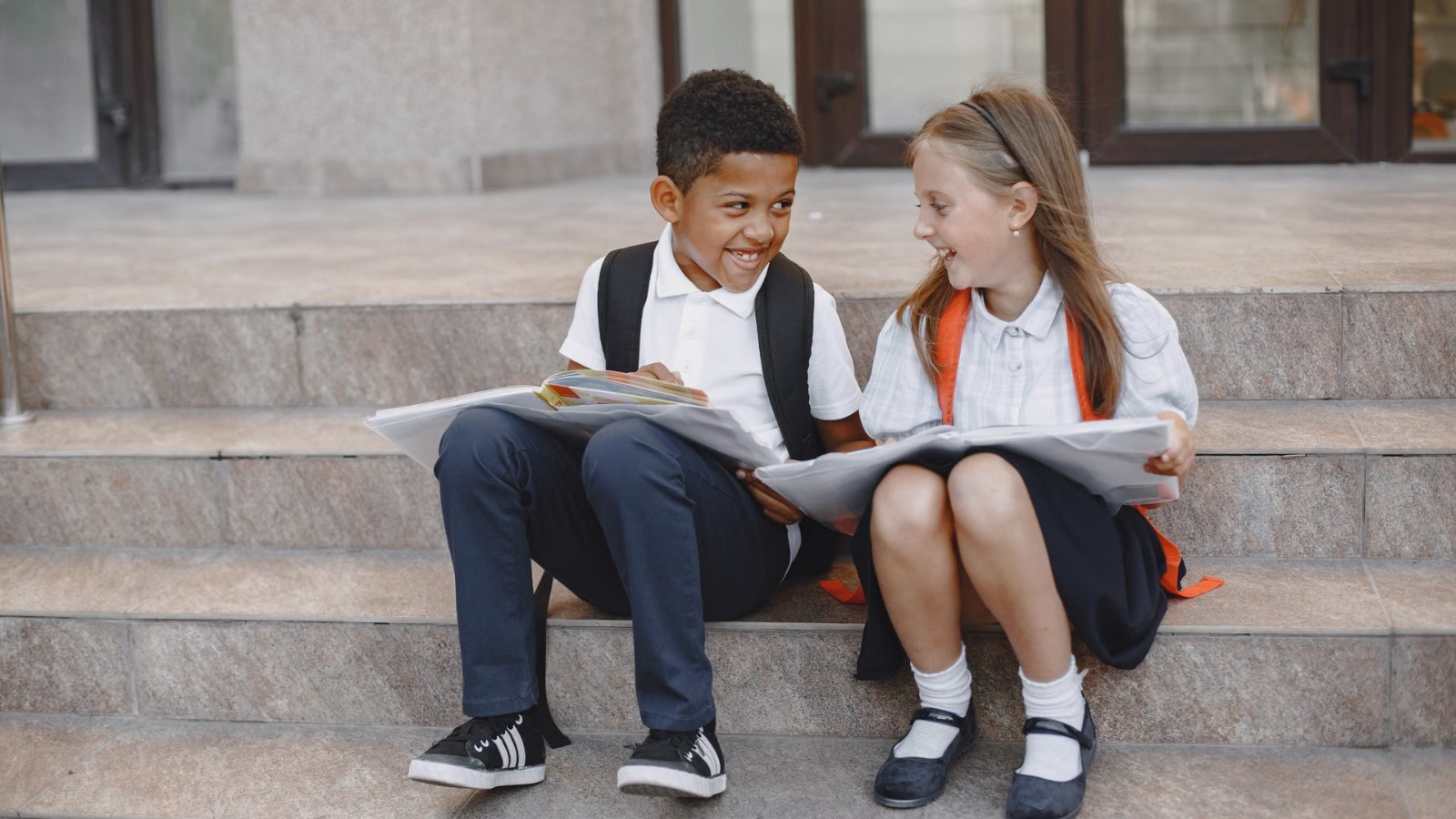
School is where your child spends most of their day, so it is the place where small changes make the biggest difference. The Raising Children Network suggests meeting your child’s teacher within the first week or two at a new school, and building relationships with teachers and other parents from the very first day.
Three things to ask for in the first term
Teachers see the playground in a way you can’t. Most are glad to help when a parent asks early and specifically.
01
A teacher check-in
Ask the homeroom teacher who your child spends breaks with, and whether they seem alone. A short email every few weeks keeps you both informed.
02
A buddy or pairing
Many schools can pair a new student with a classmate, or seat them near a child with similar interests. Ask if this is possible.
03
Meeting other parents
Class events, parent groups and pick-up chats lead to invitations. For younger children especially, friendships often start between families.
Keep your requests specific and small. “Could she sit with someone at lunch this week?” is easier to act on than “she needs friends.”
It also helps to know your child’s week. Ask which part of the day is hardest. For many children it is not lessons but unstructured time: lunch, breaks, the bus. Once you know, you and the teacher can think about that part specifically, for example a lunchtime club that gives your child somewhere to go.
Clubs, activities and hosting
Because friendship grows with shared time, the most useful thing you can do outside school is to create repeat time with the same children. A weekly activity with the same group does more than a string of one-off events. The Raising Children Network suggests extracurricular activities that match your child’s interests, and describes playdates as a good way for children to make new friends and strengthen new bonds.
| Option | Why it helps | Worth knowing |
|---|---|---|
| School clubs and teams | Same children as school; turns classmates into teammates | Easiest to sustain; ask what starts mid-year |
| Interest-based activities | Shared interest gives an easy topic of conversation | Choose what your child enjoys, not what looks good |
| Community or language groups | Children who share a home language or culture | Can be a relief after a day in a second language |
| Hosting one child at home | Relaxed time without the crowd of the playground | Short, with a simple plan, works best at first |
For hosting, keep it small and short. One child for a couple of hours, with a simple activity planned, is often easier than a group. The Raising Children Network suggests preparing together beforehand, such as putting precious toys away and planning some activities, then giving children space to play while staying nearby. For teenagers, it recommends offering a space in your home where they can spend time with friends: food and a room where they can be left alone go a long way.
Try not to fill every evening. A tired child who is working hard at a new school in a new country also needs time to recover. One or two regular activities is usually enough to start with.
Keeping old friendships alive online
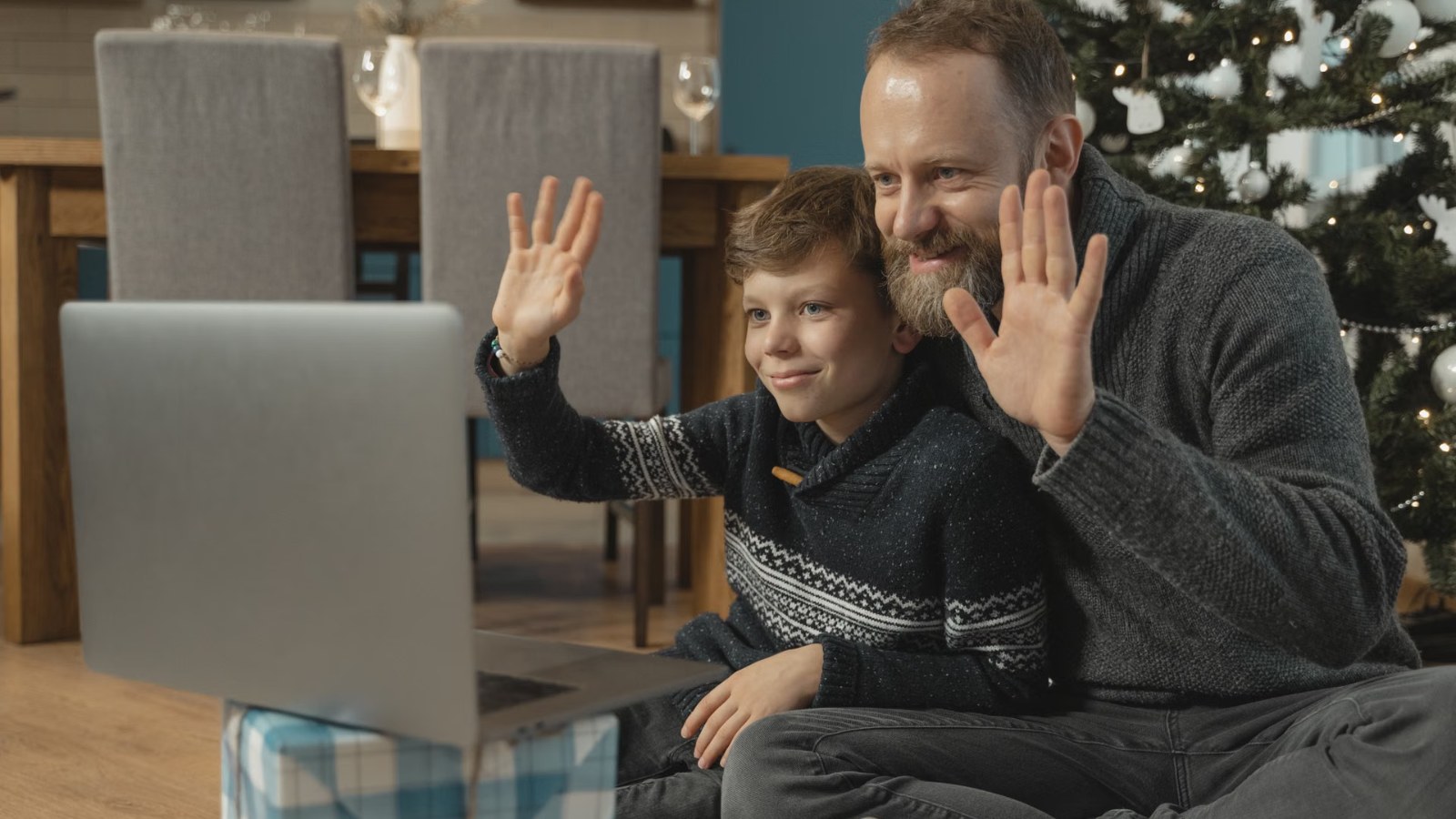
Many parents wonder whether staying in touch with friends back home helps or holds a child back. Both the Raising Children Network and the Child Mind Institute encourage helping children keep in touch with old friends after a move. The Child Mind Institute also notes that it is healthy for children to thrive in the place they are now, even while they miss the place they left.
In practice, old friends can be a lifeline in the first months: someone who already knows your child and likes them. The aim is balance, so that old friendships are a source of comfort rather than a place to hide from the new school.
| Usually helpful | Worth watching |
|---|---|
| A regular video call at a fixed time, such as every weekend | Hours of calls every evening instead of any local activity |
| Sending photos of the new home, school and city | Constant comparison: “everything was better there” |
| Playing a shared online game with an old friend now and then | Staying up late across time zones to stay in the group |
| Planning a visit or a holiday meet-up | Refusing to try anything new “because we might move again” |
Social media rules for children differ by country and change over time. For example, the Raising Children Network notes that in Australia, from 10 December 2025, users must be at least 16 to have accounts on social media platforms covered by the new rules. Check what applies in your country and which apps are covered before relying on one to stay in touch.
Normal loneliness, or something more?
Some sadness after a move is expected. Missing friends, family and home is a healthy response to a real loss. The NHS notes that children often find change difficult and may become anxious after a house move or when starting a new school. The question is not whether your child is sad, but whether the sadness is easing over time or spreading into the rest of their life.
Three signals that loneliness needs more attention
None of these is a diagnosis. They are reasons to look more closely and talk to someone.
01
Pulling away
Losing interest in things they used to enjoy, or avoiding activities they chose. The CDC lists not wanting to do fun things among signs of depression in children.
02
Avoiding school
Stomach aches or headaches on school days that disappear at weekends, or refusing to go. The AAP describes these as common signs of school avoidance.
03
Changes at home
Sleeping or eating much more or less, irritability, or seeming tired and flat most of the time. These are also on the CDC’s list of signs.
A single bad week is not a pattern. A change that lasts, or keeps getting worse, is worth acting on.
| Usually part of settling in | Worth talking to someone about |
|---|---|
| Sad or tearful some evenings, especially after calls home | Sad, hopeless or irritable most of the time |
| “I don’t have friends yet” but mentions some names | Refuses any contact with other children, in or out of school |
| Tired and a bit flat in the first weeks | Big changes in sleep or appetite that don’t settle |
| Nervous before school, but goes | Physical complaints on school days, missing school, or refusing to go |
| Misses old life but joins in with some new things | Has stopped enjoying almost everything, including old hobbies |
On timing, HealthyChildren.org (from the American Academy of Pediatrics) advises seeking professional help if school avoidance lasts more than a week, starting with your child’s paediatrician. Among the causes it lists are problems with peers, such as being teased. The NHS advises seeing a GP if a child’s anxiety is severe, persists and interferes with everyday life, and suggests involving the school too. If you live abroad, your family doctor, an international clinic, or the school can usually point you to local child mental health services.
Sometimes “I have no friends” means “other children are leaving me out on purpose” or being teased. If your child describes repeated unkindness, raise it with the school as a possible bullying concern, not only as a settling-in issue.
When and how to talk to the school counsellor
Many international schools have a counsellor or pastoral team. You don’t need to wait for a crisis to contact them. Both the Raising Children Network and the NHS suggest involving the school when you are worried about a child’s friendships or anxiety, and the Raising Children Network mentions a school counsellor as a possible next step after speaking to the teacher. Consider reaching out if the signs in the right-hand column above last for more than a couple of weeks, if your child asks to talk to someone, or if the teacher raises concerns.
| Question to ask | Why it matters |
|---|---|
| What do you see at breaks and lunch? | You only hear your child’s side after school |
| Is there a lunch club or a quiet space? | Gives your child somewhere to go during hard times of day |
| Could my child meet you, and how is that shared with me? | Helps you understand confidentiality before it starts |
| Are there other new students my child could meet? | Others in the same position are often open to new friends |
| When should we check in again? | Sets a date so things don’t drift |
Tell your child before you contact the counsellor, especially if they are older. Framing matters: “The counsellor helps lots of new students settle in” is easier to accept than “I’m worried something is wrong with you.” If the counsellor thinks more support is needed, they can usually suggest outside professionals.
When the setting itself is part of the problem
Most children do build friendships in time with the kind of support above. Sometimes, though, the setting makes it harder: a very large year group where groups have already formed, a school where most children share a language your child doesn’t speak, or a family that expects to move again soon. In those cases it is reasonable to think about the environment, not only about your child. Here is how the main options compare in general.
Stay, move, or try a small online group
| Stay at current school | Move to another school | Small online group | |
|---|---|---|---|
| Keeps hours already built | ○ | × starts again | × starts again |
| Same small group daily | △ depends | △ depends | ○ |
| Friends survive another move | × | × | ○ |
| Local friends nearby | ○ | ○ | × |
| In-person play and sport | ○ | ○ | × add outside |
○ = generally yes △ = depends × = generally no / General tendencies, not a judgement on any particular school. As of September 2026.
An online group is not a replacement for in-person friendship. Children still need to run around, play and see friends face to face, so families who choose online learning usually need to build local activities alongside it. What an online setting can offer is continuity: the same classmates whether you stay or move again.
One option built around a stable small group: NIJIN GLOBAL ACADEMY
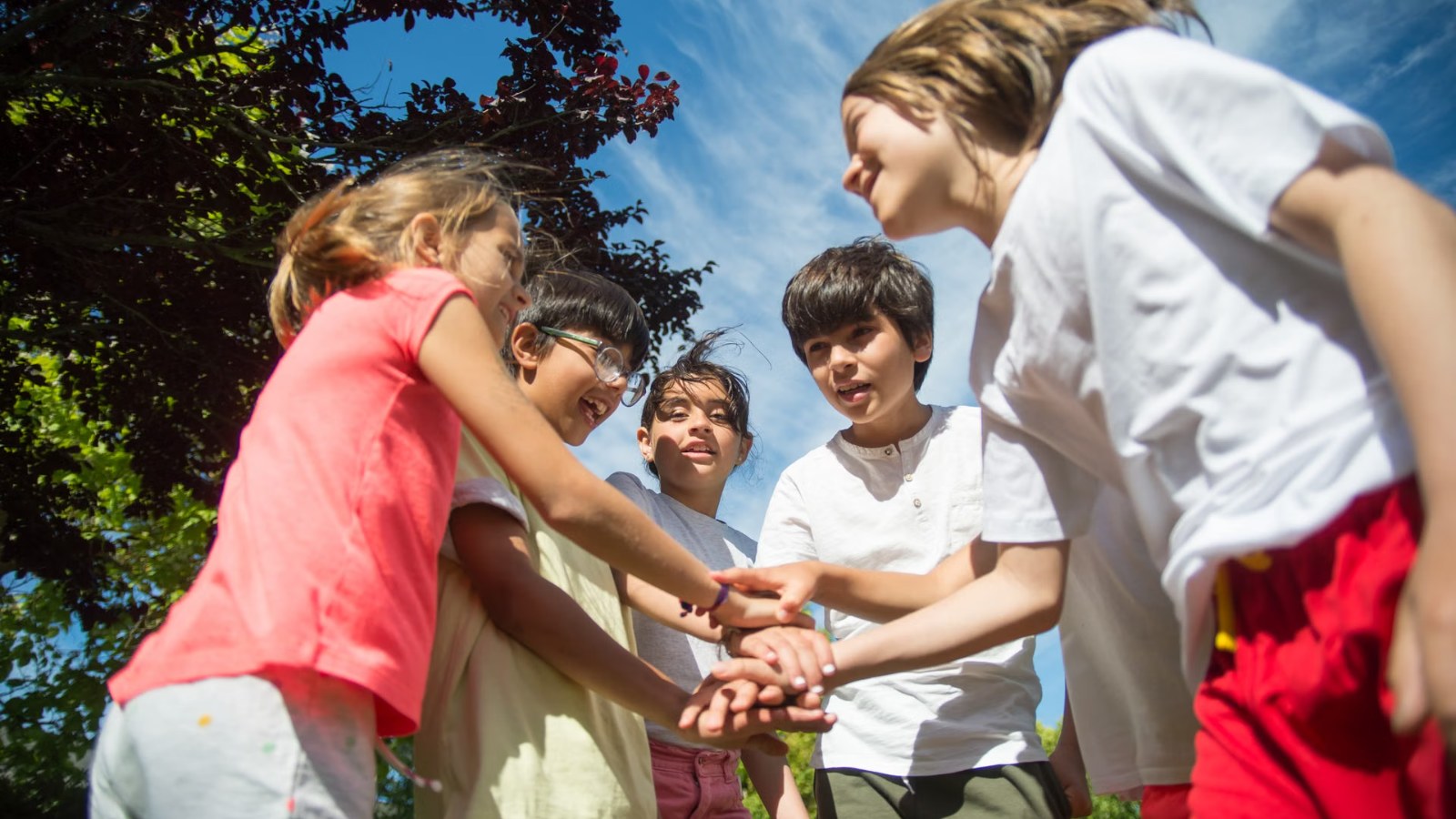
NIJIN GLOBAL ACADEMY (NGA) is an online international school for ages 6–18, run by NIJIN, the company behind this site. We mention it because a few parts of its design relate directly to friendship after a move: a small group that stays the same, and a school that doesn’t change when the family’s address does. It will not suit every child, and the limitations below matter as much as the features.
| What NGA says it offers | Why it may matter for a lonely child |
|---|---|
| Classes of eight, the same small group every day, and a daily morning circle | Regular shared time with the same few children, which is how friendships build |
| Bilingual (English and Japanese) mentors who stay with each small group | An adult who knows your child and notices if they are on the edge |
| “Portable” learning that continues if the family moves; timetables for Asia and Oceania time zones | The class, and the friendships in it, can stay the same through another relocation |
| No rankings; describes itself as a place where children “cheer each other on rather than compete” | Less comparison while your child is finding their feet |
| No entrance exam and no English requirement; children who have struggled with attendance are welcome | No need to “prove” anything after a hard start |
NGA’s FAQ also says classes run in an environment outsiders can’t freely enter, and that mentors watch over online interactions. Optional Cambridge IGCSE and A-Level courses are available for older students.
NGA opens in September 2027, so it is not an immediate option; free trial classes are planned monthly from September 2026. Tuition has not been published; NGA says it will be well below in-person international schools and shared first with its mailing list. There is no physical campus, so in-person play, sport and local friendships would need to come from outside activities. Its FAQ says mentor hiring criteria and absence policies are still being prepared. NGA does not issue a Japanese high-school diploma. Figures such as “1,000+ students” or a 97% attendance-recognition rate belong to its sister school, NIJIN Academy, not to NGA.
NIJIN GLOBAL ACADEMY is an online international school for ages 6–18 with classes of eight, a daily morning circle and bilingual mentors. It opens in September 2027, with free trial classes planned from September 2026.
Frequently asked questions
Sources used for this article
- University of Kansas, “Study reveals number of hours it takes to make a friend” (2018): news.ku.edu
- Hall, J. A., “How many hours does it take to make a friend?”, Journal of Social and Personal Relationships 36(4) (2019; online March 2018): SAGE Journals
- Marchal Jones, E., Reed, M., Gaab, J. & Ooi, Y. P., “Adjustment in third culture kids: A systematic review of literature”, Frontiers in Psychology 13:939044 (2022): frontiersin.org
- Raising Children Network, “Moving schools: how to make it easier” (updated December 2025): raisingchildren.net.au
- Raising Children Network, “Children, friends and friendships: FAQs” (December 2025): raisingchildren.net.au
- Raising Children Network, “How to help your child make friends and handle friendship issues at school” (December 2025): raisingchildren.net.au
- Raising Children Network, “Pre-teen and teenage friendships” (December 2025): raisingchildren.net.au
- Child Mind Institute, “Advice for Moving With Children” (updated March 2026): childmind.org
- HealthyChildren.org (American Academy of Pediatrics), “School Avoidance: Tips for Concerned Parents”: healthychildren.org
- NHS, “Anxiety in children” (reviewed August 2026): nhs.uk
- U.S. Centers for Disease Control and Prevention, “Anxiety and Depression in Children” (May 2026): cdc.gov
- NIJIN GLOBAL ACADEMY, FAQ and “Why NGA” pages (checked September 2026): FAQ / Why NGA / Tuition & Admissions

For families who relocate around Asia and Oceania, NIJIN GLOBAL ACADEMY offers a small online class that stays with your child through a move, with no entrance exam or English requirement. Tuition is yet to be announced, and the school opens in September 2027.
Published: 22 September 2026 / Last updated: 22 September 2026