Menu
BASICS
How Japanese schools work Japanese phrases for school Glossary of school termsWAYS TO LEARN
Free schools Education support centers Online schools Homeschooling in Japan International schools Correspondence high schoolsMORE
Neurodivergent children Where to get help Attendance and costs Learning Place Finder 日本語サイトへBullying at an International School: What Schools Actually Do, and What You Can Ask For
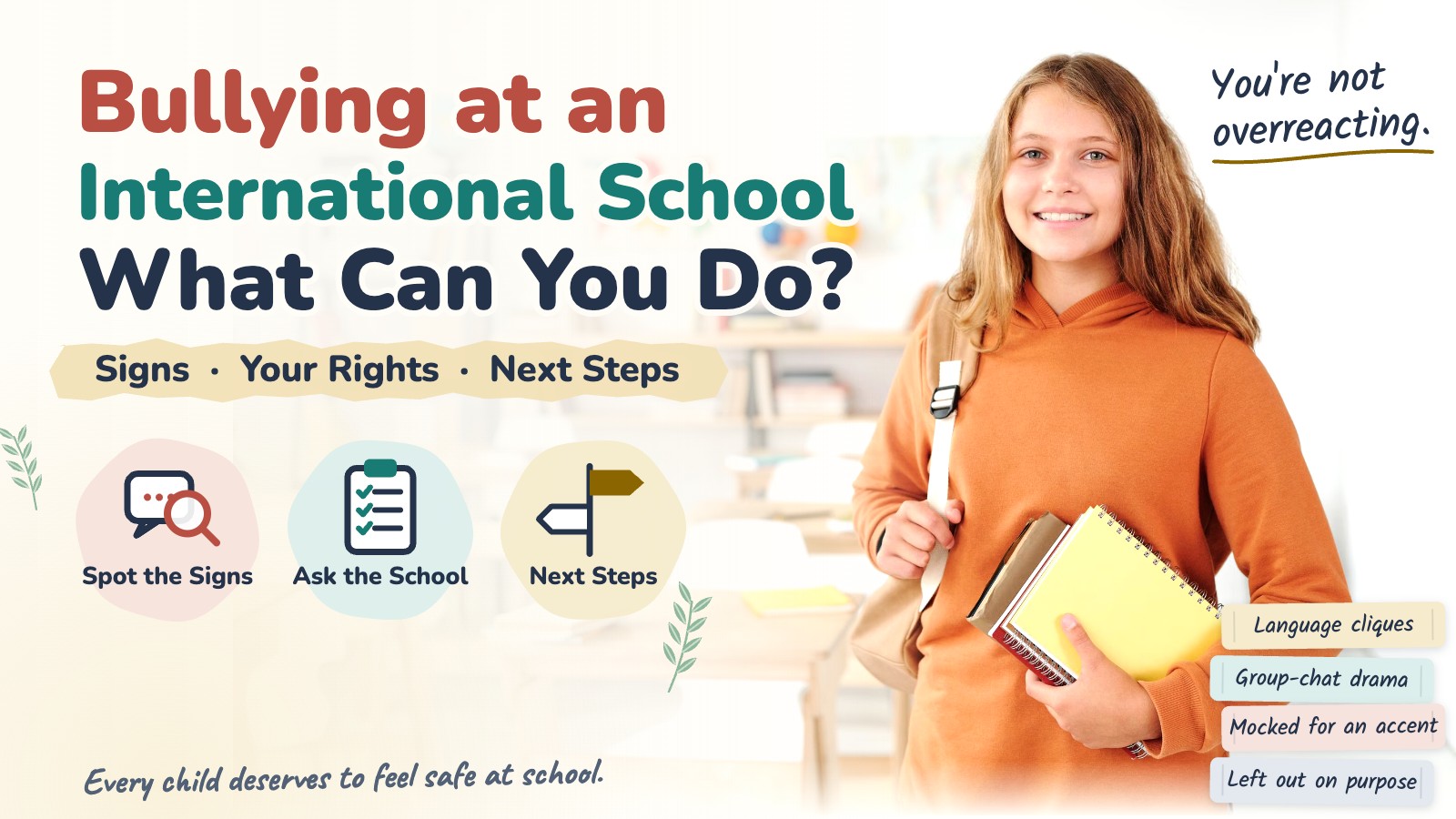
- Why bullying in international schools often takes quieter forms (language groups, exclusion, constant turnover)
- How to tell bullying apart from an ordinary falling-out, using a widely used definition
- What accreditation and inspection frameworks do, and don’t, require of schools
- Eight concrete questions to ask the school, and what a good answer sounds like
- A step-by-step way to report, keep records and escalate, with an email template
- An honest comparison of staying, switching schools, or learning online
This article is general information for parents, not legal advice. Rules differ by country and by school. If your child is in danger, or you are worried about their safety or mental health, contact the school’s safeguarding lead and local emergency or health services straight away rather than working through the steps below.
Why bullying at an international school often looks different
Bullying is common everywhere. UNESCO’s global review Behind the numbers (2019) found that almost one in three students (32%) had been bullied by peers at school at least once in the previous month. The same report found that physical appearance was the most common reason given, and that race, nationality or colour was the second most common. That second finding matters for international families, because nationality and language are exactly the things that make children stand out when they arrive at a new school abroad.
Bullying at an international school is often not a single dramatic incident but a slow pattern: being left out of a group that switches into a language your child doesn’t speak, jokes about an accent or lunchbox, or a group chat your child isn’t in. These are real forms of bullying, but they are easy for adults to miss, and easy for a child to describe as “nothing happened.”
Three things that make international schools different
None of these cause bullying on their own. They make it harder to spot and slower to resolve.
01
Language groups
Children naturally cluster by home language. When a group switches languages to shut someone out, it can be exclusion that no teacher overhears or understands.
02
Constant turnover
Families arrive and leave every term. Friendships reset, the “new kid” is always someone, and a child who struggles may be told it will settle down on its own.
03
Parents far from home
Expat parents often lack local networks, don’t know the host country’s rules, and may worry that complaining could affect a visa, a job, or a scarce school place.
The good news: all three can be addressed if you know what to ask the school for. That starts with being clear about what counts as bullying.
Bullying or conflict? How to tell the difference
Schools respond differently to a one-off argument and to bullying, so the word you use matters. The US government’s StopBullying.gov describes bullying as unwanted, aggressive behaviour that involves a real or perceived power imbalance, and that happens more than once or has the potential to happen more than once. The power can come from size, popularity, belonging to the majority language group, or having embarrassing information to share.
| Question to ask yourself | Ordinary conflict | Likely bullying |
|---|---|---|
| Is there a power imbalance? | Children are on roughly equal footing | One side has more social power, numbers, size, or language advantage |
| Is it repeated? | A one-off argument or a bad day | It keeps happening, or your child fears it will |
| Is it deliberate? | Hurt feelings are a side effect | Hurting, humiliating or excluding seems to be the point |
| Does it stop when adults step in? | Usually, and both sides move on | It goes underground: online, in another language, or out of sight |
| How does your child change? | Upset for a while, then recovers | Dread before school, stomach aches, losing interest, avoiding certain days or places |
StopBullying.gov groups bullying into three types. It helps to use these words when you write to the school, because they map onto most school policies.
| Type | What it can look like at an international school |
|---|---|
| Verbal | Name-calling, mocking an accent or a name, taunts about nationality, threats |
| Social (relational) | Being left out on purpose, switching languages to exclude, spreading rumours, turning others against a child |
| Physical | Hitting, pushing, tripping, taking or breaking belongings |
| Online | StopBullying.gov notes bullying can also happen on the internet: group chats, gaming, or social media that carry school conflicts into the evening |
What international schools are actually required to do
This is the part most parents don’t know. An international school is usually a private school, and there is no single global rulebook. What a school must do depends on the host country’s laws and on which organisations, if any, accredit or inspect it. Accreditation is voluntary, so the first useful question is simply: “Who accredits or inspects this school?” Here is what the frameworks we checked actually say.
| Framework | Who it applies to | What it says that is relevant |
|---|---|---|
| CIS International Accreditation (Council of International Schools) | Schools accredited by CIS | CIS explains that its standards require a clear definition of child abuse, clearly stated leadership responsibilities for child protection, child-protection training for staff and safer recruitment. The CIS article we read focuses on child protection and does not describe a separate anti-bullying requirement. |
| Standards for British Schools Overseas (UK Department for Education, August 2023) | British schools abroad that choose to be inspected under the BSO scheme | Part 3, paragraph 10: bullying should be prevented “in so far as reasonably practicable, by the drawing up and implementation of an effective anti-bullying strategy.” Paragraph 7 requires effective safeguarding arrangements that take account of host-country law. |
| Preventing and tackling bullying (UK Department for Education advice, July 2017) | Written for schools in England; often used as a reference by British-curriculum schools abroad | Recommends a whole-school approach, a consistent way of monitoring incidents, telling parents about the policy, fair and consistent sanctions, and support for pupils who are bullied. |
| Host-country law | Depends on the country and on the school’s legal status | Some countries have anti-bullying laws for schools; whether they cover a particular international school depends on how it is registered. Ask the school directly. |
You cannot assume a school has a written anti-bullying procedure just because it is international or expensive. But you can ask to see it. A school accredited or inspected under frameworks like those above should be able to show you its policy and name the person responsible.
What a good response looks like, step by step
Policies vary, but the UK guidance above and most school policies we have read follow a similar shape. Knowing it helps you judge whether things are moving, and gives you language to ask “what happens next?”
Report, investigate, then follow up
The third stage is where many cases stall. Ask about it from the first meeting.
01
Report and record
The concern is written down with dates and named staff. You are told who is handling it and roughly when you will hear back.
02
Investigate, decide
Staff talk to your child, the other children and witnesses. The school decides whether it meets its definition of bullying and what action to take.
03
Support and review
Your child gets a named adult and a safety plan. The school checks back after a set period, not only when you chase them.
If you can’t tell which stage your case is in, that is itself worth raising. The questions below help.
Eight questions you can ask the school
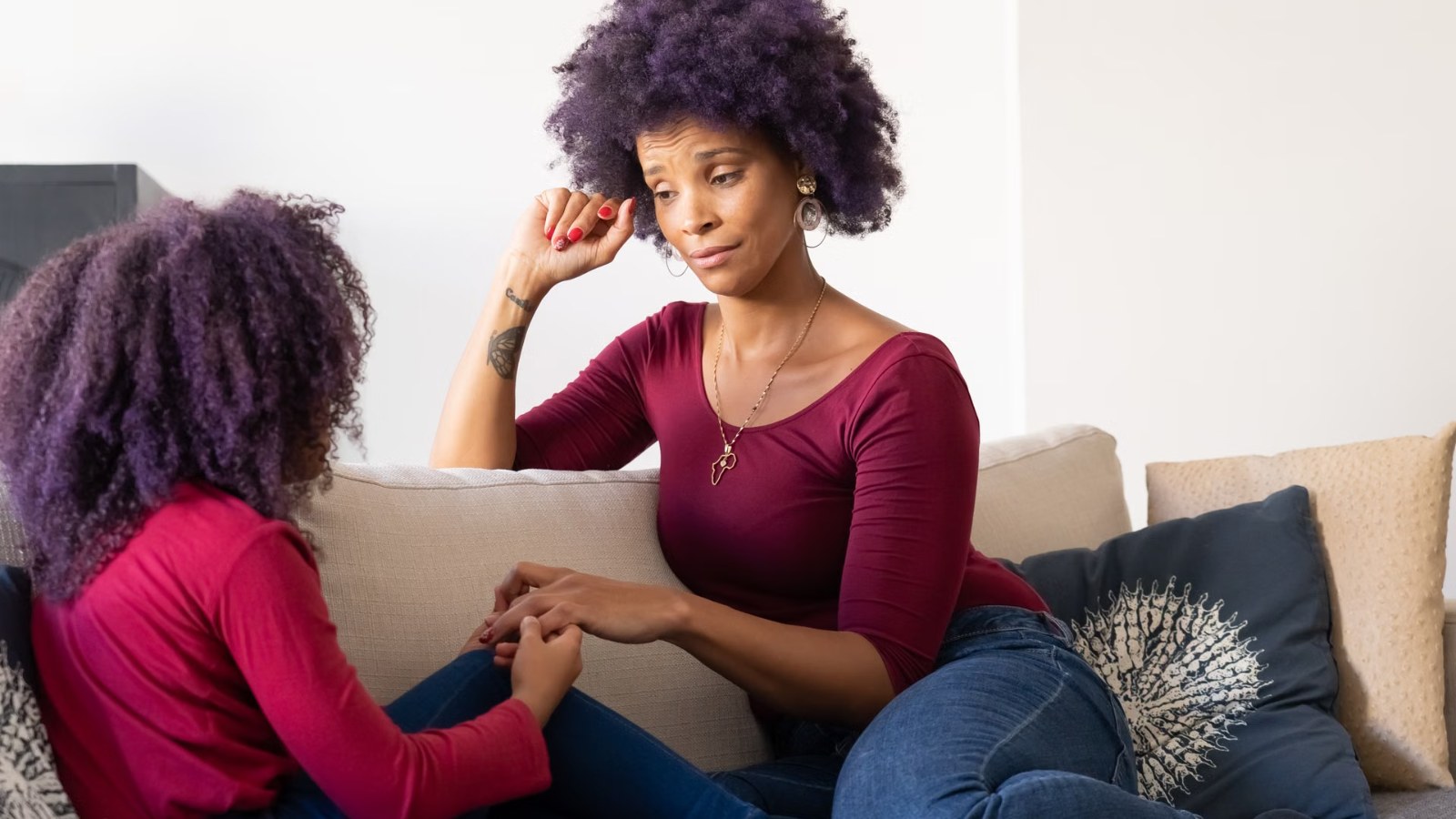
You are entitled to ask how the school handles bullying, whether or not there is a problem yet. Asking calmly and in writing tends to get clearer answers than asking in a corridor at pick-up.
| Question | Why it matters | A good answer sounds like |
|---|---|---|
| 1. Can I see your anti-bullying policy? | Shows whether there is a written procedure at all | “Here it is. It’s also on the parent portal.” |
| 2. Who is the named lead for bullying and safeguarding? | You need a person, not a department | A name, a role and an email address |
| 3. How are incidents recorded? | Patterns only show up if incidents are logged | “Every report is logged, and we look at patterns across the year.” |
| 4. When will I hear back, and from whom? | Silence is the most common complaint | A realistic timeframe and one point of contact |
| 5. What support will my child get while you investigate? | Protection shouldn’t wait for a verdict | A trusted adult, a safe space at breaks, seating changes if needed |
| 6. How do you handle exclusion in other languages and online? | The quieter forms are the ones most often missed | Specific examples of how staff respond to language exclusion and group chats |
| 7. Who accredits or inspects the school? | Tells you which standards apply | The name of the body and, ideally, the date of the last visit |
| 8. If I’m not satisfied, what is the next step? | Every policy should have an escalation route | A written complaints procedure with named roles |
How to report it so it gets taken seriously
Schools act on specifics. “My daughter is unhappy” is hard to investigate; “on three days last week she was told she couldn’t join the group at lunch, and here is what was said” is not.
Step 1: Listen first, then write it down. Let your child tell the story without being interrupted. Afterwards, note what happened in their words.
Step 2: Keep a simple log. Use the format below. Screenshots of messages count as evidence; save them before they can be deleted.
Step 3: Email the class teacher or homeroom tutor. Email rather than a chat at the gate, so there is a record. Ask for a meeting.
Step 4: Agree what happens next. At the meeting, ask who will do what and by when, and send a short summary email afterwards.
Step 5: Follow up on the date you agreed. If nothing has changed, move to the next level (see the escalation table below).
| Date | What happened | Who was involved | Witnesses / evidence | Effect on your child |
|---|---|---|---|---|
| e.g. 12 Oct | Told “you can’t sit here” at lunch; group switched to another language when she tried to join | Three classmates (names if known) | Lunch supervisor nearby; no screenshots | Didn’t eat lunch; asked to stay home the next day |
| e.g. 14 Oct | Removed from class group chat after posting | Chat admin (classmate) | Screenshot saved | Tearful at bedtime |
Dear [teacher’s name],
I’d like to raise a concern about how [child’s name] is being treated by some classmates. Over the past [two weeks], [he/she/they] has told me about the following incidents: [2–3 short, dated examples]. [Child’s name] is now [finding it hard to come to school / not eating lunch / upset in the evenings].
Could we meet this week to discuss it? I would also be grateful if you could let me know who is handling this, and a copy of the school’s anti-bullying policy.
Thank you, [your name]
A tip for bilingual families: if you are more comfortable writing in another language, it is reasonable to ask whether the school can arrange translation, or to bring a trusted person to the meeting. Keep your written summary in the school’s working language so it can go on file.
If the school’s response isn’t working
Most concerns are resolved at the first or second level. If they aren’t, move up one step at a time, in writing, and refer to your earlier emails. Titles vary by school, so check your school’s complaints procedure.
| Level | Who | When to move to the next level |
|---|---|---|
| 1 | Class teacher / homeroom tutor | No clear plan, or nothing changes by the agreed date |
| 2 | Counsellor, pastoral lead or head of year | The pattern continues or your child’s wellbeing is getting worse |
| 3 | Head of section (primary, middle or secondary) | You are not getting written responses, or the plan isn’t being followed |
| 4 | Head of school / principal, using the formal complaints procedure | The complaints procedure has been completed without resolution |
| 5 | Board of governors or owner; accrediting or inspecting body; host-country authorities where the law applies | Check each body’s website for what it can and can’t look into |
At every level, keep the focus on your child’s safety and on what you want to happen next (for example, a supervision plan at lunch, or a check-in every Friday). A clear request is easier to agree to than a general complaint.

Stay, switch schools, or learn online? An honest comparison
Sometimes, even with good effort on all sides, a school stops being a place where your child can learn. Leaving is not a failure, and staying is not always the brave choice. Here is how the main options compare in general.
Stay, switch, or learn online
| Stay and work on it | Move to another school | Online school | |
|---|---|---|---|
| Keeps friends and routine | ○ | × fresh start | △ outside school |
| No contact with those involved | × | ○ | ○ |
| Speed of change | △ varies | △ waitlists | △ intake dates |
| Works if you move again | × | × | ○ |
| Campus life and in-person friends | ○ | ○ | × |
○ = generally yes △ = depends × = generally no / General tendencies, not a judgement on any particular school. As of September 2026.
An online school is not an escape from all social difficulty. Children still have to get along with classmates, and online conflicts can happen too. What changes is the setting: smaller groups, adults present in every live session, and the option to keep learning wherever the family lives. Some families use it as a short bridge while they decide; others stay for years.
An online option built around small classes: NIJIN GLOBAL ACADEMY
NIJIN GLOBAL ACADEMY (NGA) is an online international school for ages 6–18, run by NIJIN, the company behind this site. We include it here because its design responds directly to some of the problems described above. Please read the limitations as carefully as the features.
| What NGA says it offers | What that means for a child who has been bullied |
|---|---|
| Classes of eight, with the same small group every day and a daily morning circle | Fewer children, more adult attention, and relationships that build gradually |
| Bilingual (English and Japanese) mentors who stay with each small group | A named adult who knows your child, and support in more than one language |
| No rankings; the school describes itself as a place where children “cheer each other on rather than compete” | Less of the comparison that can fuel status games |
| Classes in an environment outsiders can’t freely enter, with mentors watching over online interactions (from NGA’s FAQ) | A closed setting rather than open social media |
| No entrance exam and no English requirement; children who have struggled with school attendance are welcome | No pressure to “prove” readiness after a hard year |
| Timetables for Asia and Oceania time zones; optional Cambridge IGCSE and A-Level | The school moves with you if your family relocates within the region |
NGA opens in September 2027. Free trial classes are planned monthly from September 2026. Tuition has not been published yet; NGA says fees will be well below in-person international schools and will be shared first with its mailing list. Its FAQ says mentor hiring criteria and absence policies are still being prepared, and we could not find a published anti-bullying procedure on its website. There is no physical campus. NGA does not issue a Japanese high-school diploma. Figures such as “1,000+ students” or a 97% attendance-recognition rate that appear in NIJIN materials belong to its sister school, NIJIN Academy, and are not NGA’s own results.
NIJIN GLOBAL ACADEMY is an online international school for ages 6–18 across Asia and Oceania, with classes of eight and bilingual mentors. It opens in September 2027, with free trial classes from September 2026.
Supporting your child at home while this is going on
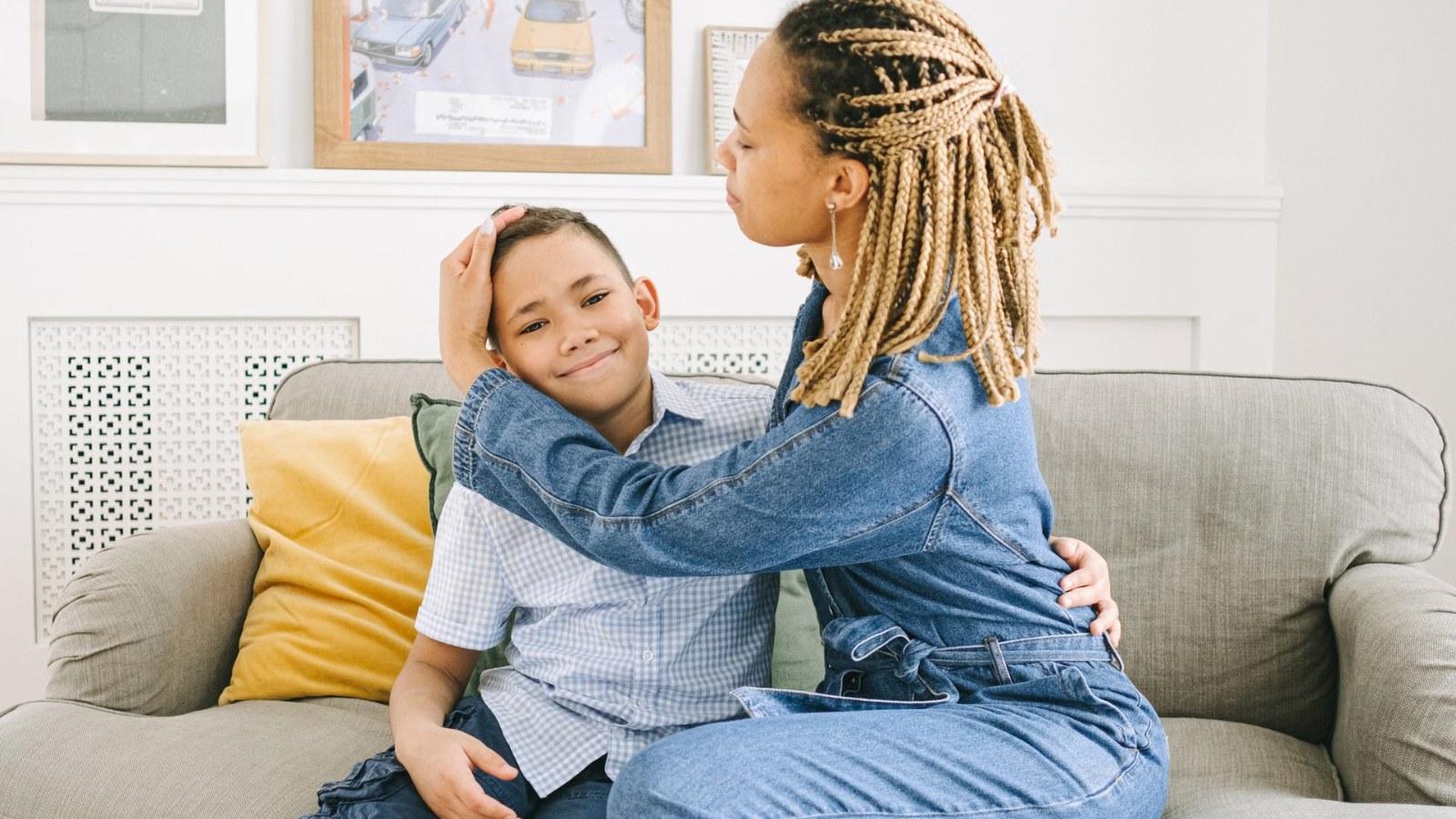
Whatever you decide about school, what happens at home makes a big difference to how a child gets through bullying. The aim is for your child to feel believed and to know that adults are acting, without making them feel the situation is out of their hands.
| Instead of saying… | Try… |
|---|---|
| “Just ignore them.” | “That sounds really hard. Thank you for telling me.” |
| “Why didn’t you tell me sooner?” | “I’m glad you told me now. We’ll work this out together.” |
| “You need to make more of an effort to fit in.” | “It’s not your job to change who you are so that others are kind.” |
| “I’m going to call their parents right now.” | “Here’s what I’m planning to do next. What do you think?” |
| “It will get better once you settle in.” | “Let’s keep track of how things go this week and talk again on Friday.” |
Watch for signs that things are getting heavier: changes in sleep or eating, frequent headaches or stomach aches before school, losing interest in things they used to enjoy, or talk of not wanting to be anywhere. If you see these, speak to your child’s doctor or a mental health professional, and let the school know that your child’s wellbeing is affected.
It also helps to protect one place where your child feels competent and liked: a club, a sport, a community group, or friends from another setting. For children who move often, a friendship that lasts across moves can matter more than any single school.
Frequently asked questions
Sources used for this article
- UNESCO, “School violence and bullying a major global issue, new UNESCO publication finds” (22 January 2019): unesco.org
- UNESCO, Behind the numbers: ending school violence and bullying (2019): UNESCO Digital Library
- StopBullying.gov (U.S. Department of Health and Human Services), “What Is Bullying”: stopbullying.gov
- Council of International Schools, “How do CIS International Accreditation standards impact schools’ child protection policies and practices?” (8 January 2019): cois.org
- UK Department for Education, Standards for British Schools Overseas (August 2023), Part 3, paragraphs 7 and 10: gov.uk (PDF)
- UK Department for Education, Preventing and tackling bullying (July 2017): gov.uk (PDF)
- NIJIN GLOBAL ACADEMY, FAQ and “Why NGA” pages (checked September 2026): FAQ / Why NGA / Tuition & Admissions

If your child needs a fresh start, NIJIN GLOBAL ACADEMY offers live online classes of eight with bilingual mentors and no rankings, for families across Asia and Oceania. Tuition is yet to be announced; the school opens in September 2027.
Published: 22 September 2026 / Last updated: 22 September 2026